












































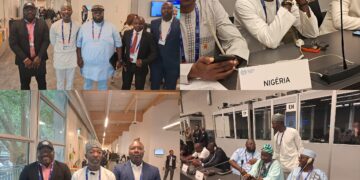












The Leadership Empowerment International Conference, LEIC Nigeria 2026, is pooling together in Abeokuta delegates from over 50 countries of the world to confront the crisis of leadership failure in furtherance of the growing demand for accountable leadership.

The conference starts tomorrow, Friday August 14, 2026 for two days at the popular Kayode Egbetokun Hall, Police Cooperative Event Centre, along Ibrahim Babangida Boulevard, Abeokuta.
The event is expected to bring together former President Olusegun Obasanjo, political leaders, academics, business executives, professionals, traditional stakeholders and delegates from several African countries and the United Kingdom.
The conference, organised by the Perspectives Leadership Development Institute in collaboration with the Olusegun Obasanjo Leadership Institute, has adopted the theme: “The Gravity of Leadership Failure & Correction Methodologies.”
At the centre of the gathering is a difficult question that has remained unresolved across successive administrations: why does leadership failure continue to reproduce itself despite decades of reforms, policies, institutions and changes of government—and what practical mechanisms can break the cycle?
Former President Obasanjo is expected to deliver the keynote address at the two-day conference, adding considerable weight to an event whose theme directly touches on the quality of political and institutional leadership in Nigeria and across Africa.
The organisers appear to be deliberately moving the conversation beyond the familiar diagnosis of bad leadership to the more difficult territory of correction.
Rather than merely cataloguing the failures of political leaders, the conference is expected to examine the institutional, ethical, educational and societal conditions that enable poor leadership to persist, as well as the methodologies required to identify, confront and correct such failures.
That emphasis is particularly significant in countries where public frustration over governance has increasingly been linked to questions of accountability, competence, integrity, institutional weakness and the widening gap between political promises and citizens’ lived realities.
The conference will also feature prominent personalities from politics, academia, business, religion and professional circles.
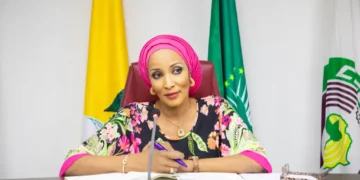
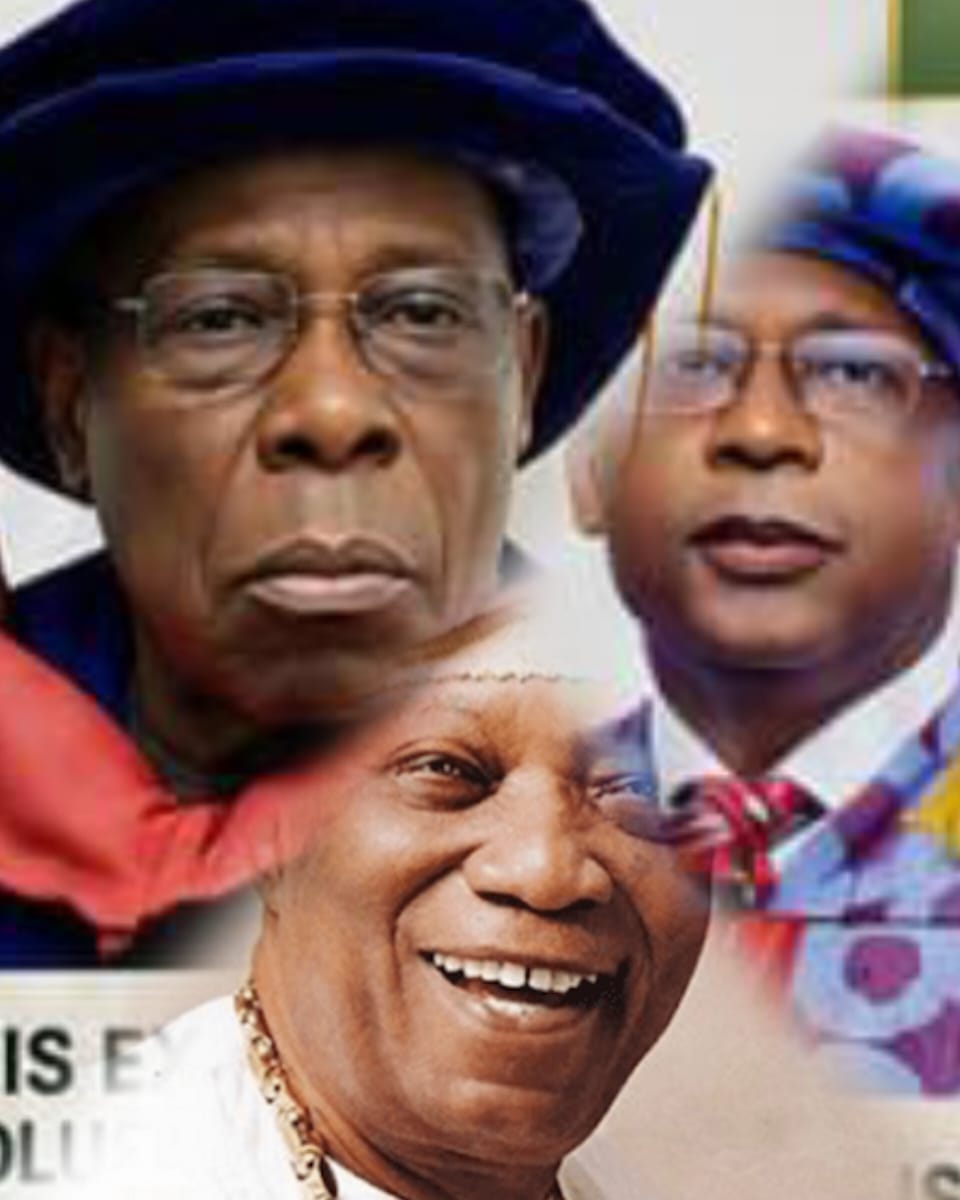
Among those expected are the former President, Chief Olusegun Obasanjo; the Odole of Oodua, Chief Kessington Adebukunola Adebutu; Hon. Oladipupo Adebutu; Dr. Lateefat Oyeyemi Sowunmi Kolapo, the Iyasunnah of Egbaland and first Ameerah of Ogun State Muslims; Senator Iyabo Olusola Obasanjo; and Yeye Adenike Adebutu.
A major highlight will be the presentation of a Doctoral Award to Hon. Oladipupo Adebutu, in recognition of his contributions and achievements.
The international character of the conference is also expected to enrich the debate, with participation and representation from Ghana, Côte d’Ivoire, Benin Republic, Sierra Leone, Liberia, Cameroon, Kenya and the United Kingdom.
For the organisers, such diversity is intended to create room for comparative perspectives on leadership and governance, allowing participants to examine how different societies have confronted institutional weaknesses and developed approaches for strengthening leadership capacity.
The conference is also expected to draw academics and professionals with experience in leadership development and institutional management.
Among those listed as Speakers are Dr. Kamal Umar, Chief Executive Officer of Vision Savers, Abuja; Dr. Segun Odẹ́gbámí, who wrote the foreword to the institute’s new book; Engr. Dr. Oluwatoyin Jokosenumi; Prof. Adedeji Daramola, Deputy Chief Executive Officer of the Olusegun Obasanjo Leadership Institute and its Registrar; and other distinguished participants.
The significance of the gathering is further underscored by the calibre of personalities featured on the conference programme, including Prof. Olusesi Michael Obateye, President of the Perspectives Leadership Development Institute and a medical practitioner, Dr. Azim Kunle Ashimi.
Their involvement suggests an attempt to bring together both the experience of political leadership and the intellectual and professional tools required for leadership development.
For Nigeria, however, the conference comes at a particularly critical moment.
The country’s recurring governance challenges have continued to raise questions about whether the problem lies exclusively with individual leaders or is also embedded in the systems that recruit, produce, reward and sustain leadership.
The distinction is crucial. If leadership failure is treated merely as a question of personalities, the solution may remain confined to replacing one individual with another.
But if the problem is rooted in institutional culture, weak accountability mechanisms, deficient leadership preparation, political incentives and the absence of effective consequences for failure, then correcting it would require a much deeper restructuring of the leadership ecosystem.
It is this broader dimension that gives the LEIC theme its significance. The organisers say the conference will emphasise accountability, competence, integrity and service-oriented leadership as essential ingredients for sustainable development.
The conference is scheduled to hold from 10am to 3pm for the two days.