





























The overwhelming concern and fears over the current disappearing Harmattan season especially in parts of West African sub-region does not warrant any need to appease spiritual forces, a Metereology Expert, Prof Debo Adeyewa has cautioned.

Prof Adeyewa, President, Nigeria Metereological Society, in fact, stated that the strange changes in weather patterns do not even call for prayers but rather the effect of climate change and fallout of what humans do to nature.
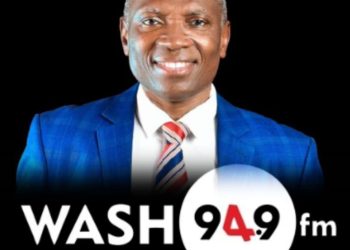
The expert who is also of the Federal University of Technology, Akure(FUTA) spoke while featuring on Viewpoint, a current affairs programme of WASH 94.9FM, Lagos.
While allaying fears that the irregular weather pattern might not necessarily impact negatively on agricultural output, he said what was important is for Nigerian farmers to flexibly adjust their operations, arguing that the current dry season without Harmattan also has positive advantages.
Prof Adeyewa stated: “What we are experiencing now is not an indication of the anger of God as some speculate. We need to removes all kinds of fears out there.
“I am not against prayer. In fact, I am a pastor and I pray, but our prayers will be focused in making lives better. What is happening now is not just about us. It’s happening everywhere particularly in the West African sub-region.
“We must educate our people. Please, it’s not about the gods are angry. If any god is angry, it’s because of what we have done to our system. No need for any appeasement.
“Weather knows no boundary. It doesn’t know Nigeria or Cameroon which are just geographically demarcation. What is happening is that the Harmattan is weak over Nigeria.
“What we are experiencing now can be attributed to climate change and climate variabilities. What currently happens now, we cannot say that this is going to happen next year. It is a temporary issue though.
“The immune system is weakened. So the climate change itself has weakened the climate system. This has affected the predictability. Predictions become difficult. When you have variabilities like this, timing becomes difficult for farmers, for doctors, for industry, etc.
“What this means is that the weather pattern has been tempered with by nature itself. It’s just that this present scenario is catching us in different ways. Some people are having a mild winter, a warmer winter and some are actually having drought while some are having rain. It’s a different shift.
“The issue is to what extent have human activities like deforestation, urbanization, gas flaring, pollution, etc contributed to these changes? Given these changes and uncertainties, it’s a struggle for farmers to predict because farmers rely on seasonal rythym. And that is where the issue of post-harvest losses crops up.”