








































By Ayo Arowojolu

Nigeria’s battered international image is being sustained not only by governance shortcomings but also by the attitudes, utterances and online behaviour of its own citizens, reputation management experts have warned.
The concern was raised during the second virtual edition of the Monthly Global Discourse, organised by ValidViewNetwork, where communication professionals urged Nigerians to become active custodians of the country’s reputation rather than unwitting promoters of negative narratives.
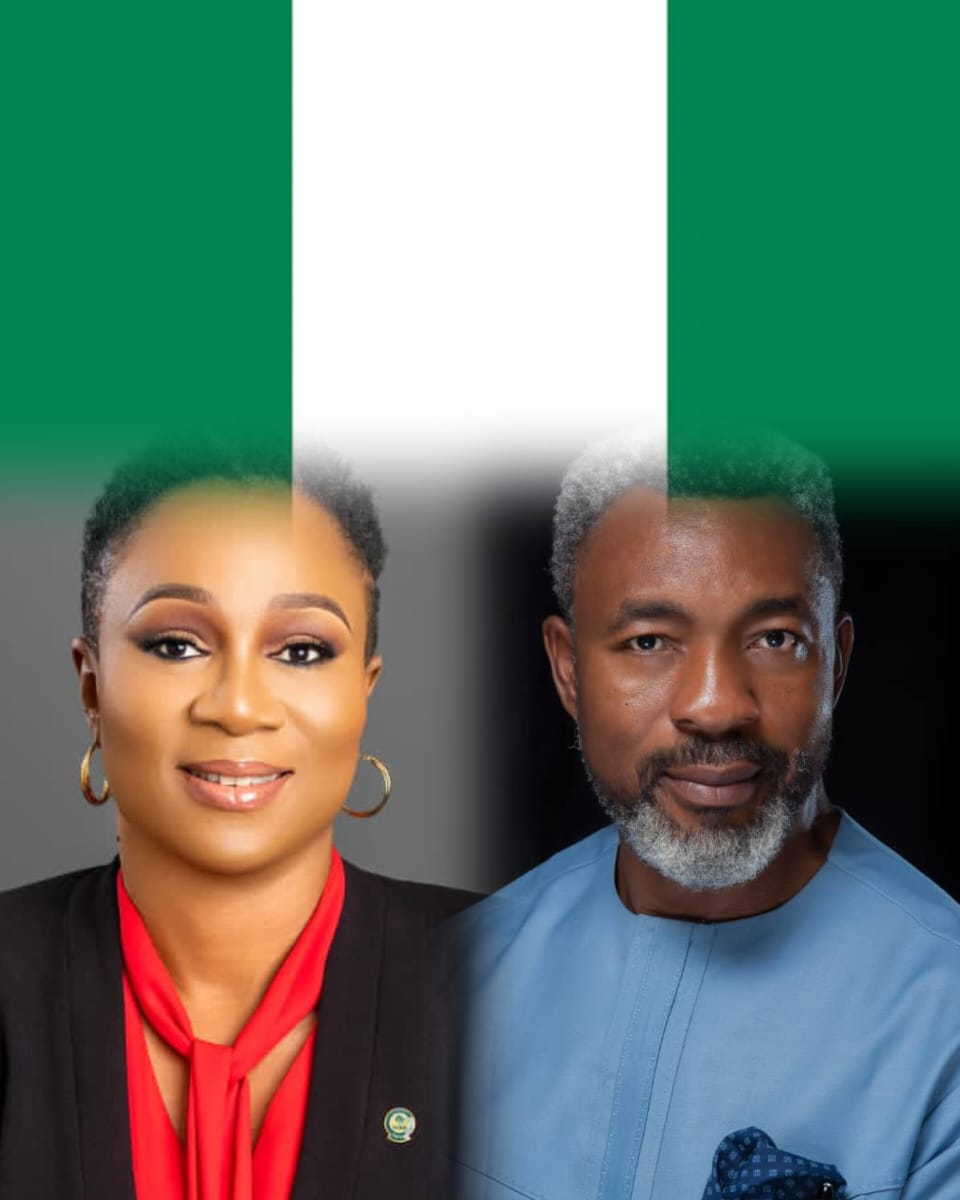
The discourse, themed “National Demarketing and the Nigerian Psyche: Resetting Nigeria’s Public Mindset,” featured renowned reputation management experts, Dr. Bolajoko Bayo-Ajayi and Dr. Ike Neliaku who argued that Nigeria’s image challenge extends far beyond political leadership and demands collective national responsibility.
According to the speakers, while governments must be held accountable for policy failures and poor governance, citizens increasingly contribute to the country’s reputational damage through the indiscriminate circulation of unverified information, sensational social media commentary and a persistent culture of pessimism.
They observed that many of the stories, scandals and controversies that eventually dominate international media conversations often originate from Nigerians themselves, creating what they described as a “citizen-driven content supply chain” that reinforces negative global perceptions about the country.
The experts also expressed concern over the tendency of some Nigerians in the diaspora to project isolated personal experiences—such as visa refusals, workplace discrimination or bureaucratic frustrations—as evidence of a fundamentally dysfunctional nation.
While acknowledging the legitimacy of such experiences, they urged Nigerians abroad to present them with greater context and balance rather than making sweeping generalisations that further damage the country’s image.
Another major issue highlighted during the discourse was the growing danger of misinformation and repeated falsehoods.
The speakers noted that when inaccurate claims relating to elections, insecurity, governance or the economy are circulated repeatedly without prompt factual responses, they gradually become accepted as truth by both local and international audiences.
They therefore advocated the establishment of effective fact-checking and rapid-response communication mechanisms by relevant institutions to counter misinformation before it gains traction.
Beyond institutional reforms, the experts insisted that rebuilding Nigeria’s reputation requires a fundamental shift in public attitude.
They called on citizens to verify information before sharing it, embrace constructive rather than destructive criticism, promote positive national stories where deserved, and recognise that every public comment contributes to shaping global perceptions of Nigeria.
The forum concluded that repairing Nigeria’s image cannot be left to government public relations efforts alone but must become a shared national project involving citizens, the media, institutions and the diaspora.
Held from 6pm to 8pm on the last Sunday of every month, the Monthly Global Discourse provides a platform for robust conversations on issues affecting national development and public policy.
ValidViewNetwork Limited, founded by Prof. Kayode Ogunjobi, operates on three strategic pillars—Media, Consultancy and Advocacy—promoting credible journalism, evidence-based communication, environmental sustainability, academic excellence and public-interest advocacy aimed at advancing national development.