



























































By Ayo Arowojolu

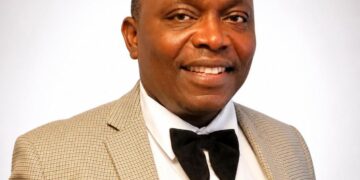
A cleric, Venerable Olukunle Aremu Fajobi, has urged Christians to examine their spiritual lives and remove attitudes and behaviours that could hinder their prayers, stressing that while God has promised to answer those who call upon Him, believers must approach Him with faith, humility and a heart aligned with His will.
Fajobi gave the admonition in his Sunday sermon on August 30, 2026, titled “Hindrances to Answered Prayer,” anchored on Psalm 91:15–16, where God declares: “He will call on me, and I will answer him; I will be with him in trouble, I will deliver him and honour him.”
The cleric said prayer remained one of the greatest privileges available to believers because it provides a direct means of communicating with God.
According to him, however, the promise that God hears prayers should not be interpreted to mean that Christians can live anyhow and expect every request to receive an immediate positive response.
He identified eight major hindrances to answered prayer, beginning with the failure to pray at all.
Fajobi noted that God’s invitation was clear: “Call upon me, and I will answer you.” He therefore encouraged Christians not to wait until they were overwhelmed by problems before developing a consistent prayer life.
“A praying Christian is a Christian who remains connected to God,” he declared, urging believers to pray in good times as well as in difficult circumstances and even when they do not fully understand what is happening around them.
Unforgiveness: A Burden Christians Must Drop
The cleric identified unforgiveness as another serious obstacle to a healthy relationship with God.
Referring to Matthew 6:14–15, he said Christians who deliberately hold on to bitterness and resentment against those who have offended them could be damaging their own spiritual lives.
He observed that people sometimes carry offences for years, repeatedly reliving the anger while the person who caused the offence may have moved on.
Fajobi stressed that forgiveness did not mean approving wrongdoing but refusing to allow another person’s offence to continue controlling one’s heart.
“Unforgiveness can become a burden that we carry unnecessarily,” he warned, urging Christians to learn to forgive.
Faith Must Replace Doubt
The third hindrance, according to the cleric, is lack of faith.
Drawing from James 1:6–8, he said believers must approach God with confidence rather than doubt, adding that faith does not necessarily mean understanding everything that is happening.
“Faith means that even when we do not understand, we still trust God,” he said.
Fajobi urged Christians to hold firmly to God’s promises even when their circumstances appear to contradict what they believe God has said.
Wrong Motives Can Undermine Prayers
The cleric also challenged believers to scrutinise the motives behind their prayers.
Quoting James 4:3, he said some prayers fail to produce the desired result because the requests are driven by selfish ambitions.
He asked Christians to consider whether they were asking God for things merely to glorify themselves, compete with others or pursue desires that could ultimately draw them away from God.
According to him, God is concerned not only about what believers ask for but also why they are asking.
He therefore urged Christians to make God’s glory, rather than personal gratification, central to their prayers.
Prayer Is Not an Attempt to Control God
Fajobi further warned against praying outside God’s will.
He said genuine prayer was not an attempt to force God to do what human beings wanted, but an opportunity to bring their desires before Him while submitting to His sovereign will.
Citing 1 John 5:14 and the prayer of Jesus in the Garden of Gethsemane, he said Christians should be prepared to say, “Not my will, but yours, be done.”
“God is sovereign. We do not instruct God on what He must do,” he said.
Delay Is Not Necessarily Denial
Addressing another common source of frustration among believers, Fajobi said failure to receive an immediate answer should not automatically be interpreted as divine rejection.
He urged Christians to learn the difference between delay and denial, stressing that God operates according to His own timing.
Referring to Ecclesiastes 3:11 and the experiences of biblical figures such as Abraham and Joseph, he said God’s promises sometimes require patience before their fulfilment.
“When we pray and do not immediately see the answer, we must continue to trust God,” he said, adding that God’s timing remains the best timing.
Sin Can Damage Fellowship With God
The cleric also listed a broken relationship with God as a major hindrance.
He explained that deliberate rebellion and continued unrepentant sin could damage a person’s relationship with God, citing Isaiah 59:1–2.
Fajobi, however, said the appropriate response to spiritual failure was not to run away from God but to return to Him through genuine repentance.
He emphasised God’s mercy and readiness to receive those who sincerely turn back to Him.
Pride: The Silent Spiritual Obstacle
The final hindrance identified by the cleric was pride.
Fajobi cautioned believers against approaching God with a sense of entitlement, reminding them that salvation, health, children, opportunities and even the strength to work are ultimately gifts from God.
He cited James 4:6, which teaches that God opposes the proud but gives grace to the humble.
According to him, humility requires recognising one’s total dependence on God.
Prayer for Nigeria’s 2027 Elections
The sermon also took a distinctly national dimension as Fajobi included prayers for Nigeria’s forthcoming 2027 general elections.
He prayed for peace before, during and after the elections and asked God to raise leaders who would govern the country with wisdom, justice, integrity and the fear of God.
The prayer is particularly significant against the backdrop of growing political preparations ahead of the 2027 elections, with the cleric urging divine intervention not merely for the conduct of peaceful elections but also for the quality and character of those who would emerge as leaders.
He also prayed for God’s protection, provision and blessings upon Christians and other members of the congregation living in Canada, the United States, Nigeria and wherever they may be around the world.
Concluding the sermon, Fajobi challenged believers to conduct an honest spiritual self-examination.
“Are we praying? Are we carrying unforgiveness in our hearts? Are we approaching God with faith? Are our motives right? Are we willing to submit to God’s will? Are we prepared to wait for His appointed time? Are we walking faithfully with Him? Have we allowed pride to enter our hearts?” he asked.
He urged Christians to remove every unnecessary obstacle between themselves and God and to remain prayerful, faithful, humble, obedient and patient.
According to him, the assurance of Psalm 91 is that God does not abandon those who call upon Him.
“When we call upon Him, He hears us. When we are in trouble, He is with us. When we are weak, He strengthens us. When we do not know what to do, He gives us direction,” he said.
Fajobi concluded by praying that Christians would receive the grace to live according to God’s will and trust Him to answer their prayers according to His perfect purpose for their lives.