


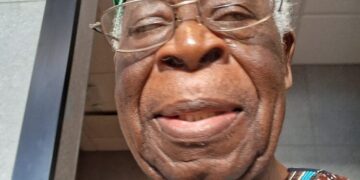

















































Venerable Olukunle Aremu Fajobi has urged Christians to make the Word of God a central part of their daily lives, describing it as a divine instrument for guidance, correction, strength and transformation.

Fajobi, who gave the admonition while delivering a sermon titled “The Power and Potential of the Word of God,” said the Bible was not merely a book for acquiring religious information but God’s instrument for teaching believers how to live and fulfil His purpose for their lives.
Taking his principal text from 2 Timothy 3:16-17, he said the Scripture was inspired by God and useful for teaching, rebuking, correcting and training believers in righteousness.
According to him, Christians who desire to understand God’s will concerning their lives, families, challenges, conduct and future must consistently turn to His Word.
Fajobi, who emphasised the connection between Christ and the Word, cited John 1:1-3, which describes Jesus Christ as the eternal Word through whom all things were made.
He said the Christian faith was therefore founded on divine revelation rather than human philosophy or opinion.
The cleric further described the Word of God as “living and powerful,” noting that, according to John 6:63, the words of Christ are spirit and life.
He said the Word could correct believers when they went astray, encourage them in moments of discouragement, provide wisdom in difficult situations, strengthen them in weakness and give hope when circumstances appeared hopeless.
Fajobi also urged Christians not to allow changing circumstances to weaken their confidence in God’s promises, stressing that while people, governments, economies and circumstances could change, God’s Word remained unchanging.
Quoting Matthew 24:35, he said, “Heaven and earth will pass away, but my words will never pass away.” He further drew attention to Isaiah 55:11, which states that God’s Word will accomplish the purpose for which it is sent, urging believers to continue trusting God even when the fulfilment of His promises appeared delayed.
According to him, the Word of God can also confront and overcome seemingly difficult obstacles, likening it to fire and a hammer that breaks rocks, as stated in Jeremiah 23:29.
However, Fajobi cautioned Christians against treating Bible verses as magical formulas, stressing that believers must believe, obey and apply God’s Word to their lives.
He encouraged them to cultivate the habit of reading and meditating on the Bible daily rather than waiting until Sunday before opening the Scriptures.
“When you are faced with a difficult situation, ask: ‘What does the Word of God say about this?’” he advised.
The cleric also cited James 1:22, which admonishes believers not merely to hear the Word but to do what it says.
He said Christians must demonstrate the Word through their actions by forgiving, loving, giving, trusting God and turning away from evil whenever Scripture requires it.
Fajobi concluded by urging Christians to “read the Word, meditate on the Word, believe the Word, obey the Word and apply the Word,” saying God’s Word should guide their families, decisions and daily conduct.
In his prayers, the cleric sought God’s grace for believers to remain steadfast in His Word despite contrary circumstances, while also praying for the fruitfulness of their labour, peace and protection for Nigeria, stability and success for Nigerians living abroad, and for believers to end 2026 with joy, thanksgiving and testimonies.