




















































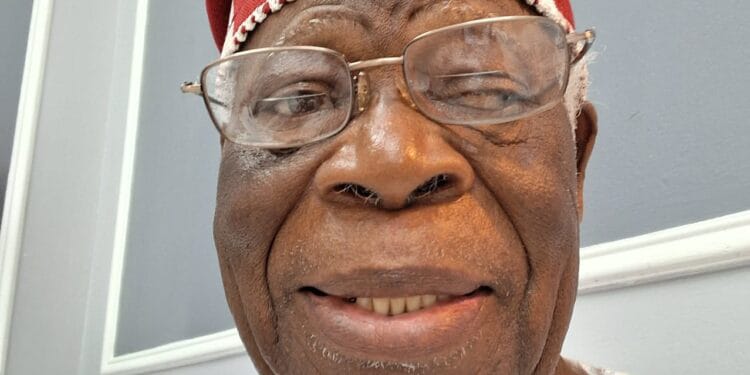
Fear can weaken faith, produce qdoubt, distort human thinking and prevent people from taking necessary action, Ven. Olukunle Aremu Fajobi has warned, urging Christians not to allow fear to become the controlling force in their lives.

Fajobi gave the warning while delivering the Sunday sermon on September 27, 2026, titled “Negative Effects of Fear,” with 2 Timothy 1:7 as the principal text.
The cleric emphasised that fear is a common human experience that could arise from concerns about health, finances, children, marriage, employment, the future or circumstances beyond one’s control.
Quoting 2 Timothy 1:7 — “For God has not given us a spirit of fear, but of power and of love and of a sound mind” — he said Christians must learn to confront fear with faith and trust in God.
According to him, fear becomes dangerous when it begins to dominate a person’s thoughts and decisions, stressing that it could weaken faith by shifting attention from God’s power to the magnitude of the problem.
He contrasted the voices of fear and faith, noting that while fear asks, “What if it doesn’t work?”, faith declares that God is able.
Fajobi said fear could also produce doubt, particularly when prayers appeared unanswered or difficult situations persisted.
He urged Christians to be deliberate about the thoughts they entertain, citing 2 Corinthians 10:5, which instructs believers to take thoughts captive and make them obedient to Christ.
“Not every thought that enters our mind deserves to stay there,” he said, stressing that thoughts suggesting that God had abandoned a person or that there was no hope should be confronted with the Word of God.
The cleric also identified fear as a potential barrier to positive action, explaining that people could miss opportunities because of the fear of failure, rejection, humiliation or uncertainty.
According to him, faith does not necessarily mean the absence of fear, but the willingness to do what is right despite being afraid.
He encouraged Christians to take appropriate steps while trusting God for guidance, rather than allowing fear to paralyse them.
Fajobi further warned that prolonged fear could distort people’s perception of reality, making situations appear bigger than they actually are and causing individuals to imagine worst-case scenarios as though they had already happened