






















Nigeria’s image problem may not lie entirely in how the rest of the world perceives the country. Increasingly, many observers believe the more troubling challenge is how Nigerians themselves talk about Nigeria.

From social media platforms awash with tales of failure and dysfunction to conversations in homes, workplaces and even among the diaspora, negative narratives about the country have become almost instinctive.
Good news is often greeted with suspicion, while stories of corruption, insecurity and institutional failure travel at lightning speed. For many, criticism has become synonymous with patriotism; for others, pessimism has become a default national language.
Communication experts warn that this growing culture of self-denigration is exacting a heavy price. Beyond damaging Nigeria’s international reputation, it is steadily eroding citizens’ confidence in their own country, discouraging investment, weakening national cohesion and diminishing collective hope.
It is against this backdrop that ValidViewNetwork, a media concern, has chosen one of the country’s most pressing but least discussed communication challenges as the focus of its July 2026 Monthly Global Discourse.
Scheduled for Sunday, July 26, 2026, from 6pm to 8pm(WAT), the virtual event, which will be streamed live on Zoom and YouTube, will examine the theme: “National Demarketing and the Nigerian Psyche: Resetting Nigeria’s Public Mindset.”
Unlike conventional public conversations that merely catalogue the country’s shortcomings, the discourse aims to interrogate why Nigerians have become active participants in projecting a negative image of their own nation and, more importantly, how that trend can be reversed.
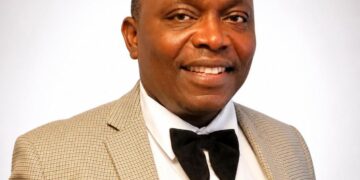
According to the Founder and Chief Executive Officer of ValidViewNetwork, Dr. Kayode Ogunjobi, the challenge has evolved beyond ordinary criticism into a dangerous culture of national self-demarketing.
He identifies several factors fuelling the phenomenon, including a deepening culture in which negativity is increasingly mistaken for intellectual depth, the algorithms of social media that reward outrage over balanced conversations, and growing frustration among many Nigerians in the diaspora whose criticisms often lack adequate context.
Rather than dismiss these concerns, Ogunjobi believes the nation must deliberately confront them through honest, evidence-based conversations capable of inspiring practical solutions.
“This second edition of the Global Monthly Discourse seeks to confront this issue boldly and constructively,” he stated.
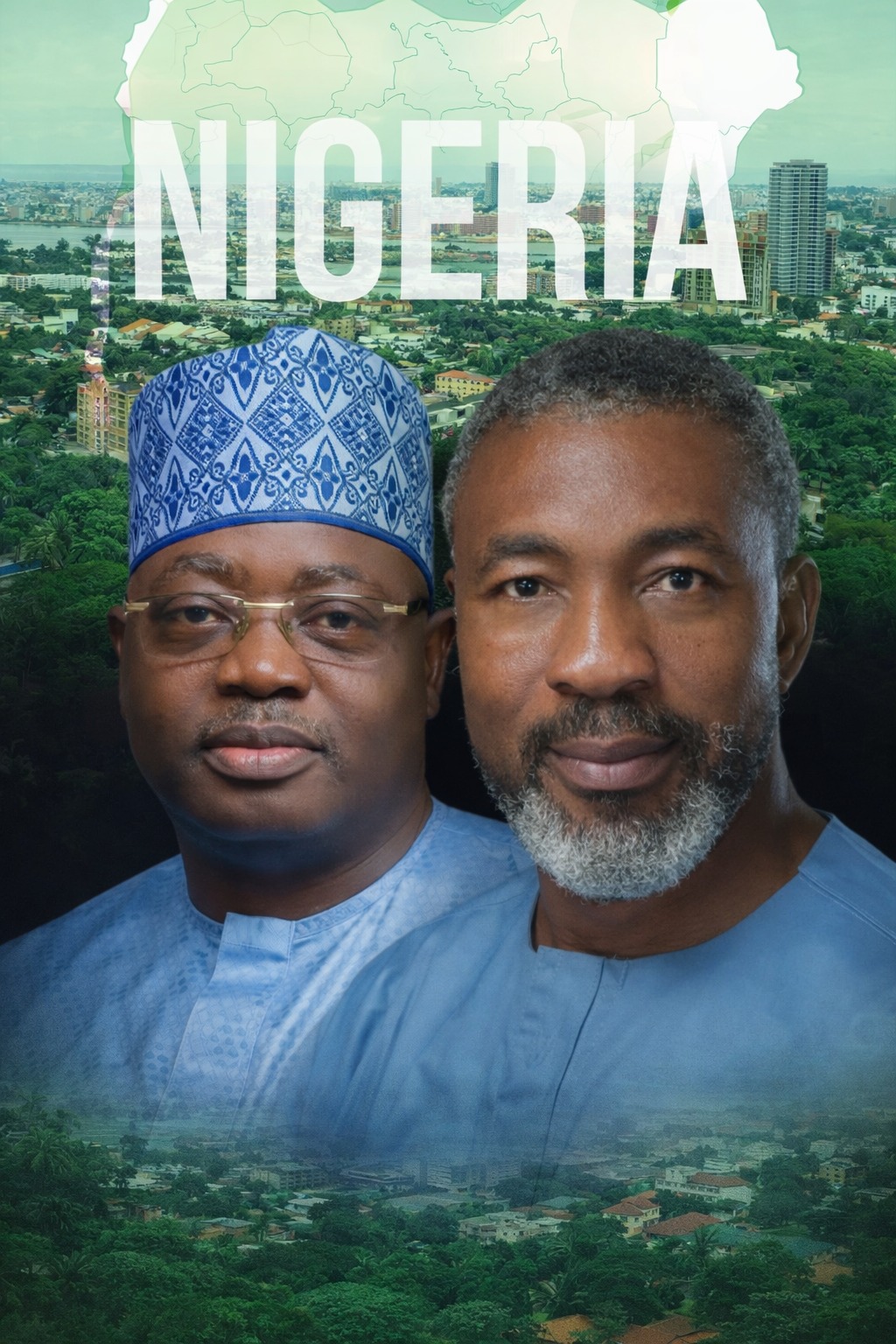
To drive the conversation, ValidViewNetwork has assembled two personalities whose professional responsibilities place them at the centre of Nigeria’s reputation management architecture.
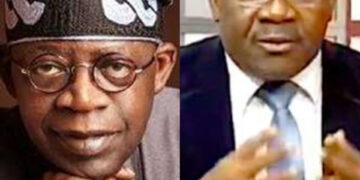
Leading the discussion will be the Director-General of the National Orientation Agency (NOA), Mr. Lanre Issa-Onilu, whose agency bears the constitutional responsibility of promoting civic values, patriotism and national orientation.
At a time when public confidence appears increasingly fragile, Issa-Onilu is expected to offer insights into how national attitudes are formed, why destructive narratives spread so rapidly and what government institutions, the media and citizens can do to rebuild confidence in Nigeria.
Sharing the platform with him is the President and Chairman of Council of the Nigerian Institute of Public Relations (NIPR), Dr. Ike Neliaku, one of Nigeria’s leading authorities on strategic communication and reputation management.
As head of the country’s foremost public relations professional body, Neliaku is expected to examine how narratives shape national identity and international perception. His contribution is also expected to explore how professional communication can help Nigerians strike a healthy balance between holding leaders accountable and preserving the country’s collective reputation.
Together, the duo is expected to provide a rare convergence of public policy, civic education and strategic communication in addressing one of Nigeria’s most persistent image challenges.
The discourse forms part of ValidViewNetwork’s broader vision of creating a global platform where experts, policymakers, professionals and citizens engage in solution-oriented conversations that bridge knowledge with action.
Its maiden edition, held on June 28, 2026, demonstrated the initiative’s practical orientation. The session featured Prof. Labode Popoola, Executive Secretary and Chief Executive Officer of the African Forest Forum, Kenya, who drew national attention to the country’s worsening forest insecurity.
His presentation culminated in a 15-point communiqué calling for urgent reforms in forest governance and environmental security.
The inaugural session was formally declared open by veteran journalist and former President of both the Nigeria Union of Journalists (NUJ) and African Union of Journalists (AUJ), Mr Lanre Ogundipe, who also chairs the Advisory Board of ValidViewNetwork Media.
Organisers say the July edition will similarly move beyond diagnosing problems to identifying practical pathways for reshaping Nigeria’s public image through responsible communication, civic engagement and a renewed sense of national purpose.
Participation is open to professionals, policymakers, academics, business leaders, politicians, development practitioners and Nigerians across the globe.
Participants will have opportunities to contribute to discussions, ask questions and propose solutions, while questions may also be submitted in advance via the organisers’ email.
Founded by Dr. Kayode Ogunjobi, ValidViewNetwork Limited operates through three interconnected pillars—Media, Consultancy and Advocacy—leveraging credible journalism, evidence-based consultancy and public-interest advocacy to promote ethical communication, sustainable development, institutional strengthening and citizen-centred public enlightenment.
As Nigeria continues to grapple with economic, political and social challenges, the organisers insist that changing the country’s story cannot be left to government alone.
They argue that every Nigerian is, consciously or otherwise, an ambassador whose words, attitudes and perceptions either strengthen or diminish the nation’s standing.
The July discourse, therefore, is more than another online conversation. It is an invitation to rethink whether Nigerians have become the loudest voices in marketing the country’s failures—and whether it is time to begin telling a more balanced, hopeful and constructive national story.