



























































By Ayo Arowojolu

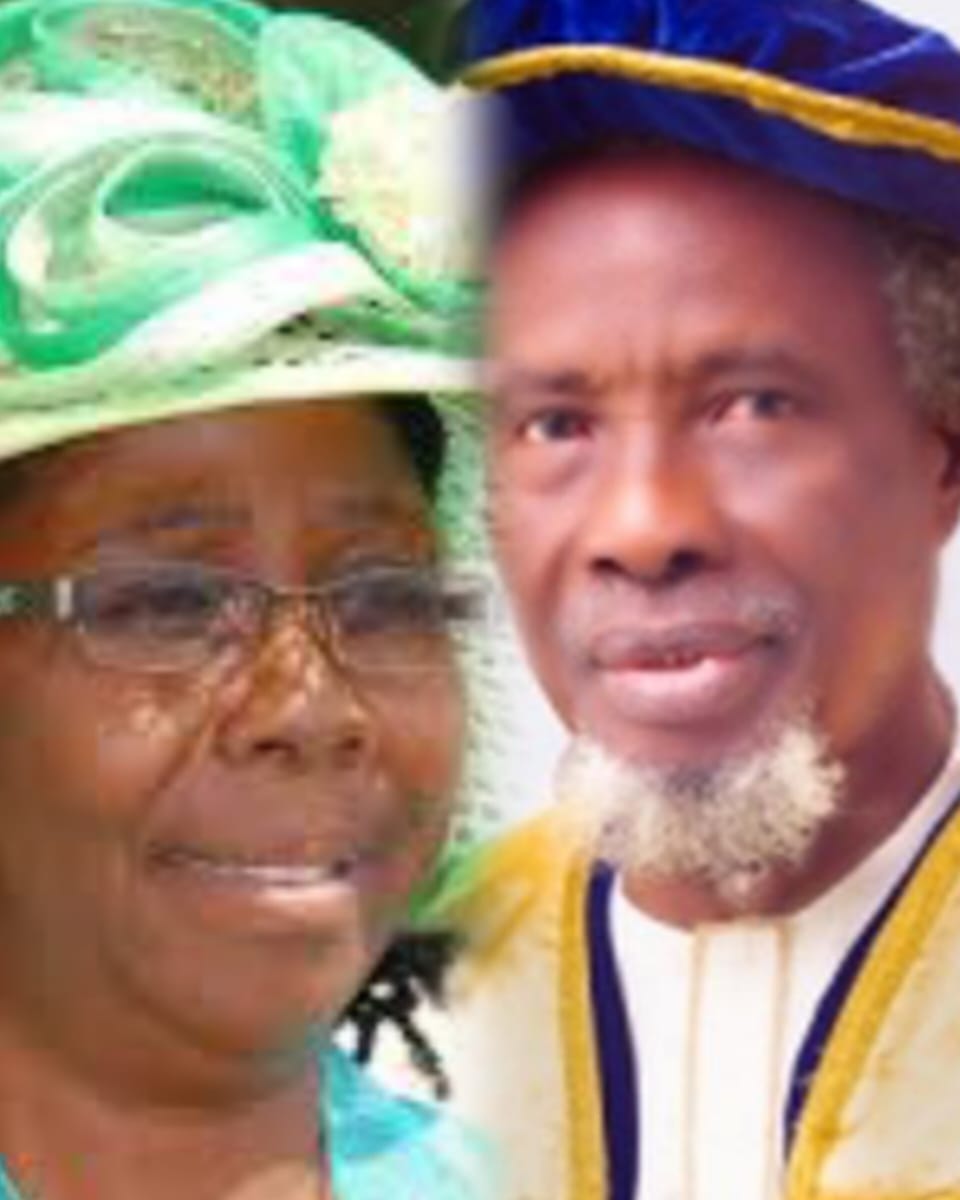
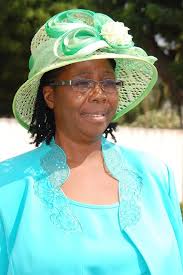
The death of Prof. (Pastor Mrs.) Elizabeth Abidemi Balogun on Monday, June 8, 2026, came as a rude shock to family members, friends, colleagues, and the academic communities of both the Federal University of Agriculture, Abeokuta(FUNAAB) and the University of Ilorin, where she traversed while she was in active service, until her retirement.
There was no forewarning. No prolonged illness. No visible signs that the distinguished scholar, respected pastor, devoted wife, loving mother, and accomplished researcher was preparing for her final journey.
Yet, as sympathisers continue to throng the Balogun residence in Ibara GRA, Abeokuta, to condole with the family, a remarkable narrative is emerging—not of a life cut short, but of a life fully lived and purposefully fulfilled.
At the centre of that narrative is her husband, Professor Oluwafemi Olaiya Balogun, the fourth substantive Vice-Chancellor of FUNAAB, who has found solace amid grief in the belief that his beloved wife departed after a fruitful and impactful earthly sojourn.
Speaking during one of the condolence visits, the former Vice-Chancellor described her passing as sudden and unexpected but said there was every reason to thank God for a life well spent.
According to him, God graciously granted her 72 years on earth—two years beyond the biblical age of three score years and ten.
“Her death was sudden. We never expected it. She was not sick. There was no indication whatsoever that she would leave us this way. But when I reflect on her life, I can only thank God. She died fulfilled,” he reportedly told visitors.
For the bereaved Professor, the greatest testimony of his wife’s life is not merely the years she spent on earth but the enduring legacy she left behind through her family, profession, and service to humanity. Together, they nurtured seven children, all of whom have become successful and responsible adults making meaningful contributions in their respective fields.
To him, that alone is a source of immense gratitude. But beyond family, Prof. Elizabeth Balogun built a distinguished career that earned her respect within and outside Nigeria’s academic circles.
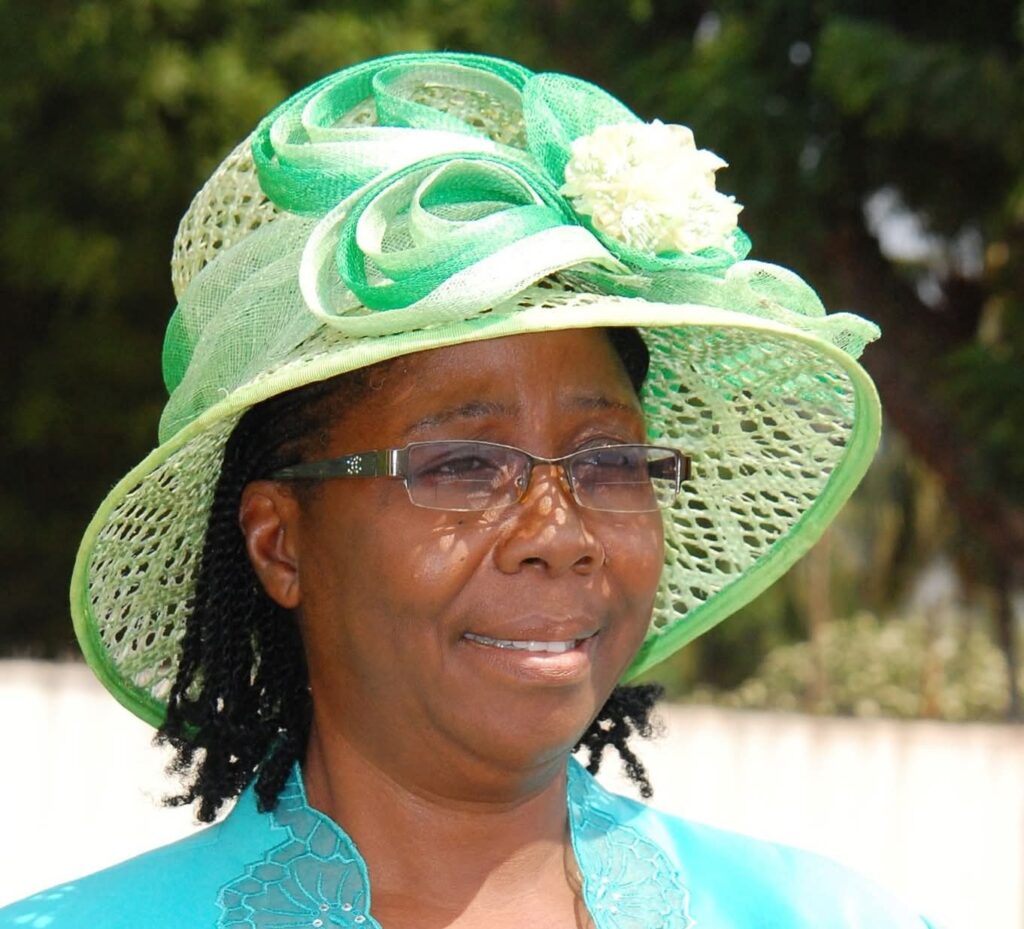
A renowned biochemist and researcher, she devoted decades of her professional life to teaching, mentoring, and scientific inquiry. Her area of research specialization was Biochemical Toxicology and Phytomedicine, with particular emphasis on antimalarial drug development.
Her scholarly contributions became part of the growing body of scientific efforts aimed at addressing one of Africa’s most persistent health challenges—malaria.
Students who passed through her tutelage remember her as a disciplined academic who combined intellectual rigour with uncommon warmth. Colleagues describe her as humble, accessible, and deeply committed to excellence.
Many within FUNAAB recall that during the tenure of her husband as Vice-Chancellor between 2007 and 2012, she occupied a unique place in the university community—not merely as the Vice-Chancellor’s wife but as a respected professor whose professional accomplishments stood firmly on their own merit.
Those years remain significant in the history of FUNAAB. Prof. Oluwafemi Balogun’s Administration was widely acknowledged for transformational initiatives, infrastructural development, academic expansion, and institutional reforms that strengthened the University’s standing.
Alongside him stood Prof. Elizabeth Balogun, quietly contributing her own quota to the growth of scholarship and the nurturing of future scientists.
Outside the University environment, she was equally known for her Christian faith and pastoral commitment. Her life reflected a rare balance of scientific inquiry and spiritual conviction. Friends and associates often admired her ability to combine academic excellence with strong family values and religious devotion.
Perhaps this explains why tributes pouring in from various quarters have focused not only on her professional attainments but also on her character. Words such as gentle, godly, caring, selfless, supportive, and inspiring have repeatedly surfaced in the testimonies of those who encountered her.
For many mourners, her sudden transition serves as a sobering reminder of the brevity and unpredictability of life.
Yet, amid the grief, there is also celebration. Celebration of a woman who touched lives in classrooms, laboratories, churches, homes, and communities. Celebration of a scholar whose research sought solutions to human suffering. Celebration of a mother who raised seven accomplished children. Celebration of a wife who stood steadfastly beside her husband through decades of service. And celebration of a Christian whose life, by many accounts, reflected the virtues she professed.
As preparations begin for her final rites, the consensus among family members, friends, colleagues, former students, and associates is that Prof. Elizabeth Abidemi Balogun may have departed unexpectedly, but she left behind a legacy that will endure.
Indeed, in the words of her husband, she did not merely die. She died fulfilled. And in that fulfilment lies a powerful testimony of a life devoted to God, family, scholarship, and service to humanity.