































































From Christopher Tom, Uyo

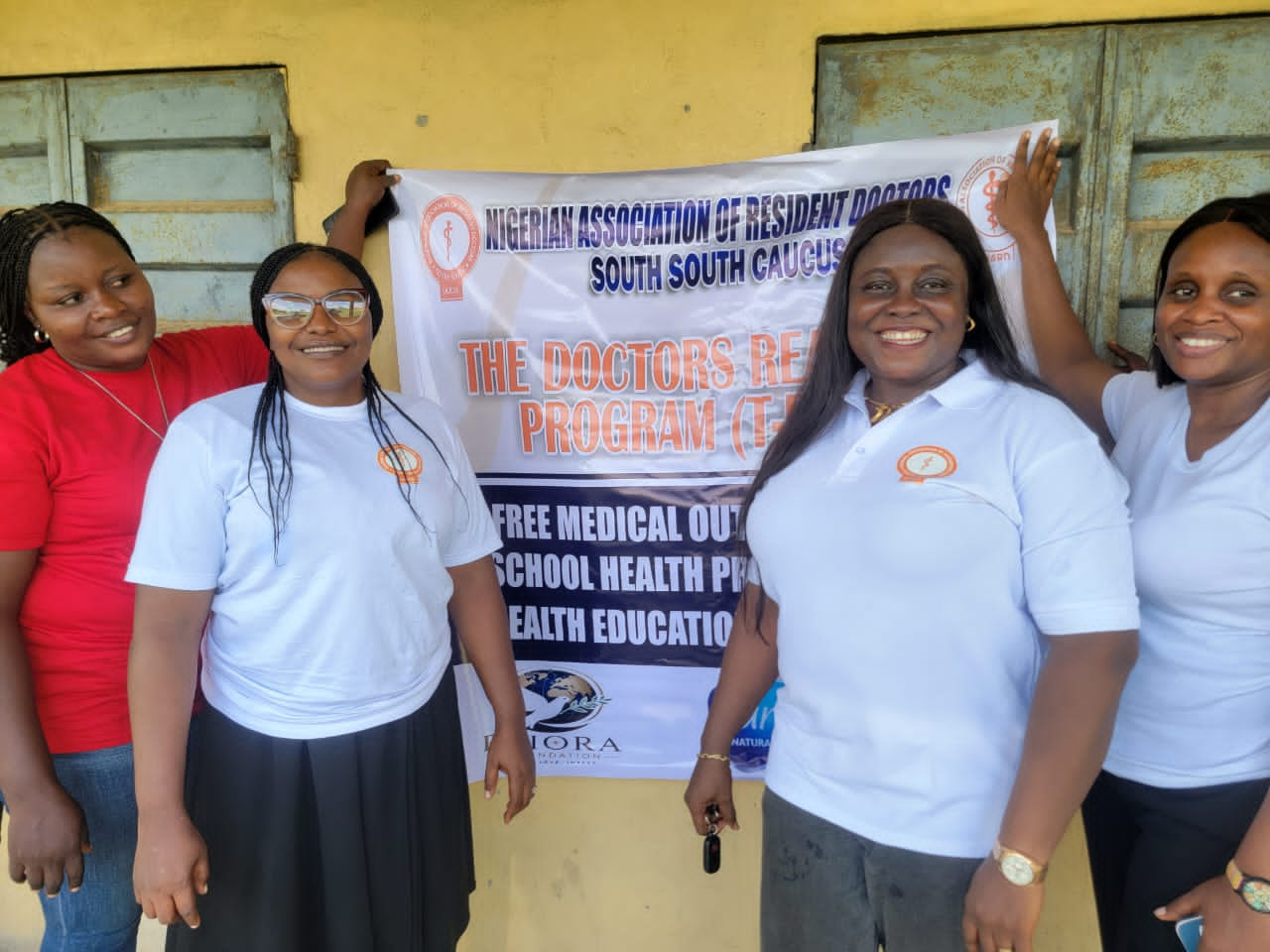
The Nigerian Association of Resident Doctors (NARD), South-South Caucus, in collaboration with delegates from Eliora Foundation for Health and Empowerment (NGO), celebrated World Menstrual Hygiene Day with the female students of Community Secondary Commercial School, Ikot Okubo Offot.
The event focused on educating the students on proper menstrual hygiene practices and the importance of personal cleanliness as future mothers.
The female students came out in large numbers to participate in the lecture and health education session aimed at helping them better understand menstruation and how to manage it properly without fear, shame, or stigma.
Speaking during the event at the school conference hall, the Caucus Leader of NARD South-South, Dr. Margaret Egan Erhunmwunsee, educated the students on menstrual hygiene, reproductive health, and the importance of developing good health-seeking behaviour. She also demonstrated the proper way to use sanitary pads and the correct methods of disposal.
Dr. Margaret encouraged the students to communicate effectively with their parents and teachers on issues concerning menstruation, reject stigmatization, and ensure they seek proper medical advice or treatment whenever the need arises. She reassured the students that the South-South Caucus of NARD cares deeply about their well-being and remains committed to supporting their health needs.
The Immediate Past Welfare Secretary of the Association of Resident Doctors (ARD), University of Uyo Teaching Hospital, Dr. EmemEkwere, explained that menstruation, commonly called a period, is a normal and natural process that occurs in girls and women of reproductive age. She emphasized that menstruation is not a sickness or something to be embarrassed about. According to her, the menstrual cycle is the monthly process during which a girl’s body prepares for a possible pregnancy. When pregnancy does not occur, the lining of the uterus (womb) breaks down and leaves the body as menstruation. She noted that a normal menstrual cycle ranges between 21 and 35 days, while menstrual bleeding usually lasts between 2 and 7 days.
She further explained that common symptoms during menstruation may include lower abdominal pain, waist pain, headache, mood changes, tiredness, or weakness. She advised the students to visit the hospital if the symptoms become severe. Dr. Ekwere also encouraged them to change their sanitary pads every 4 to 6 hours or whenever the pad becomes soaked, bathe regularly at least twice daily, and keep the genital area clean using only clean water.
Also speaking at the event, the General Secretary of the Association of Resident Doctors, Akwa Ibom State, Dr. Comfort Eno, informed the students that menstruation is not “bad
blood” but the body’s natural way of shedding the lining of the womb (uterus) every month.
All the students in attendance were given sanitary pads, bathing soaps, and deodorants as part of the outreach programme. Dr. Margaret thanked the delegates from Value Plus Shopping Mall and Karis Naturals for their support and presence at the event. She also appreciated the school principal and management for the warm reception and cooperation throughout the programme.